When Coverage Adds Up:
THE ECONOMICS OF HEALTH CARE
A nonpartisan resource on how health insurance affects jobs, income, GDP, and community well-being.
Health Care
COVERAGE REDUCES UNCOMPENSATED CARE, KEEPS HOSPITALS OPEN, AND SUSTAINS LOCAL ECONOMIES.

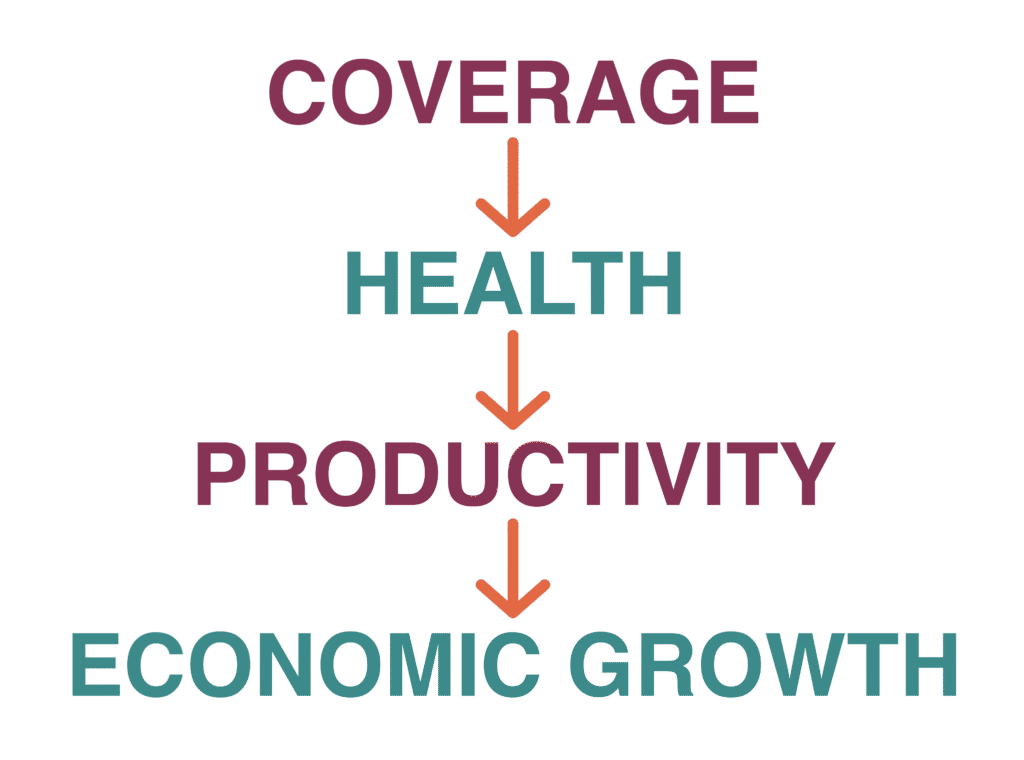
Health insurance = healthier people.

Healthier people = stronger workforce.

Coverage loss → economic loss.
WHY COVERAGE MATTERS
There is economic gain when people are insured and economic loss when they aren’t.
While most of us think about health when we talk about health insurance, it’s also extremely consequential economically.
When people lose health insurance coverage, insurers receive less revenue and reduce payments to hospitals, doctors, and pharmacies — these are the direct losses. In turn, providers and vendors cut staff and spending, creating indirect losses. As workers earn less and spend less on goods and services, the broader economy feels <strong?induced losses. Together, falling incomes and business activity also reduce state and local tax revenues.
- Insurance improves individual financial security. Health insurance protects people from the high cost of medical bills, preventing debt and financial hardship.
- Preventive care reduces long-term costs. With coverage, people are more likely to access regular checkups and screenings, which catch problems early and avoid expensive emergencies.
- Coverage helps people stay employed and productive. Insured individuals can manage health needs before they become disabling, allowing them to work consistently and contribute to the economy.
- Insurance reduces uncompensated care costs and keeps hospitals open. When more patients are insured, hospitals receive payment for services, helping them stay financially stable and maintain access to care in their communities. This helps keep higher-cost, lower-volume services, like oncology and labor and delivery, available.
MEDICAID IMPACT IN WYOMING
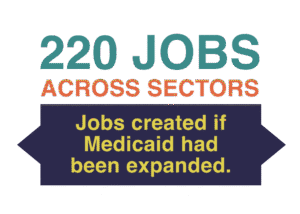
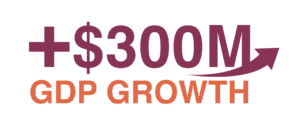
Wyoming health stakeholders* commissioned an independent, nonpartisan economic analysis of Medicaid expansion and Medicaid cuts across Wyoming in 2025. The Regional Economic Models, Inc. (REMI) report provides an independent economic analysis of how health policy decisions shape Wyoming’s economy. Using dynamic modeling, it projects impacts on employment, personal income, business output, and state and local tax revenue under different coverage scenarios. The findings highlight the significant economic consequences of health insurance policy beyond its direct effects on care access.
*Report commissioned by Natrona Collective Health Trust, Wyoming Community Foundation, Wyoming Hospital Association, American Cancer Society Cancer Action Network, and Banner Wyoming Medical Center.

Watch Methodology Webinar
Learn about report methodology and key findings from the study's author.

WHAT’S NEXT FOR WYOMING?
ALL INSURANCE PLANS WILL COST MORE
-
Plans on the public marketplace (the Affordable Care Act, or “Obamacare”) are expected to become more expensive as enhanced premium tax credits expire. These subsidies made coverage far more affordable. Because subsidies are applied directly to premiums with the insurer, many enrollees don’t realize they’ve been benefiting from this support.
-
Mountain Health Co-Op is leaving Wyoming in 2025, leaving 11,000 customers without insurance
-
Nationally, as higher-cost individuals—those who frequently use medical services and file many insurance claims—lose Medicaid coverage, many will transition to private insurance. Meanwhile, healthier individuals who use less care are more likely to forgo coverage altogether. With a greater share of high-cost users and fewer low-cost enrollees to balance expenses, private insurers will face rising costs, ultimately driving up premiums across the market.
-
According to The Commonwealth Fund, 80% of Affordable Care Act enrollees could find a plan for $10 or less per month in 2024. Prior to enhanced tax credits, that number was just 36% in 2020.
-
In Wyoming, enrollment grew from 24,574 in 2020 to 46,643 in 2025—a 90% increase, according to the same Commonwealth Fund data.

As insurance prices rise, coverage becomes increasingly out of reach.
WHAT THE RESEARCH SHOWS
Findings based on leading research from Wyoming REMI, Commonwealth Fund, KFF, and Perryman Group.
Wyoming REMI Report
The REMI study analyzes the economic impacts of Medicaid expansion in Wyoming, showing how coverage affects jobs, household income, and the state’s overall economy.
The Costs of Eliminating Enhanced Premium Tax Credits
This issue brief from the Commonwealth Fund presents a state-by-state economic analysis of what would happen if the enhanced ACA premium tax credits are removed.

How much and why ACA Marketplace premiums are going up in 2026
This analysis from KFF examines insurer rate filings across the ACA marketplace, showing a proposed median premium increase of about 18% for 2026, driven by rising health care costs, inflation, labor pressures, and uncertainty over policy changes like tax credit expirations.

When the Math Isn’t Mathing: Health Care Coverage’s Downstream Economic Impacts
This blog provides a comprehensive overview of Wyoming’s health insurance landscape—what’s changing, what to expect, and how both economics and insurance coverage act as key determinants of health.

Enhanced Premium Tax Credits for ACA Health Plans: Who They Help and Who Gets Hurt If They’re Not Extended
This explainer from the Commonwealth Fund outlines how expanded premium tax credits under the Affordable Care Act lower costs for enrollees, boost marketplace enrollment, and prevent coverage losses.

5 Key Facts About Medicaid Work Requirements
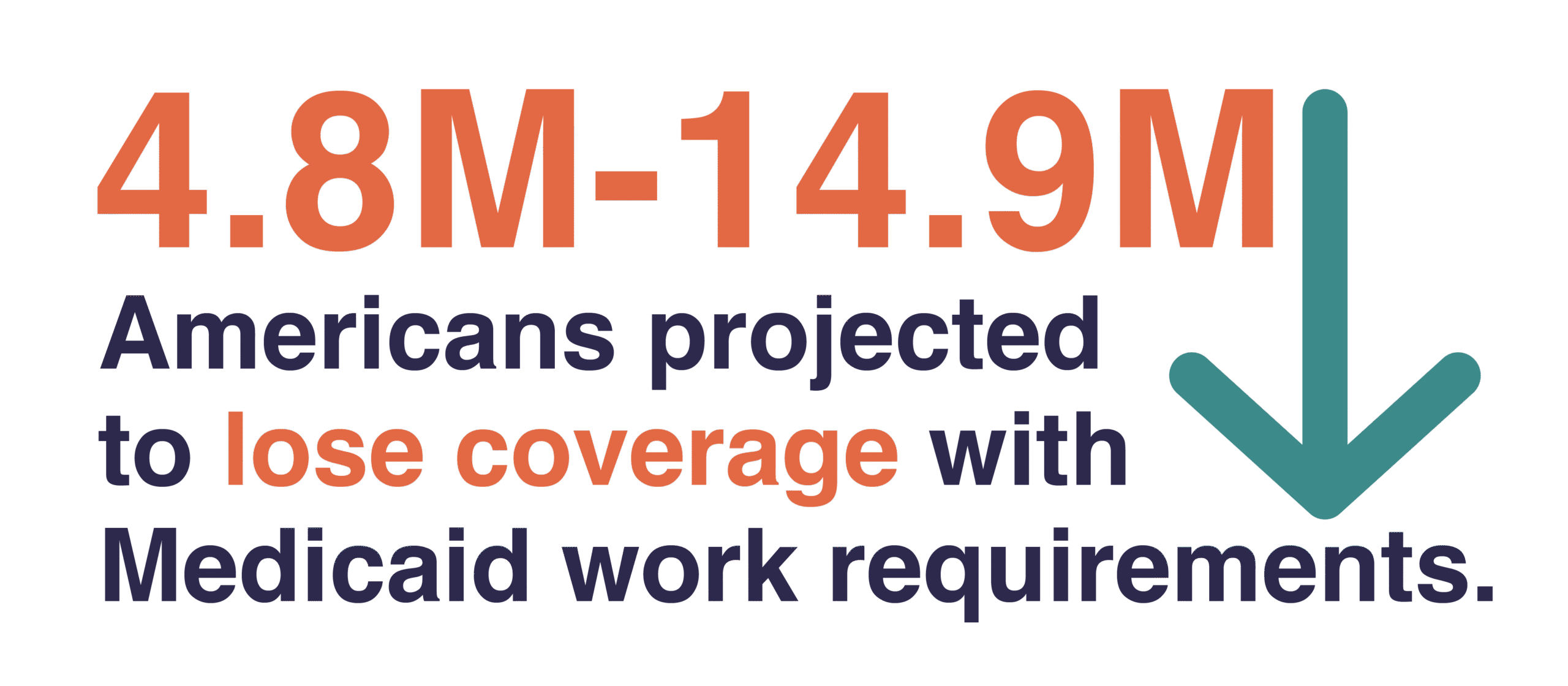
This KFF explainer lays out five evidence-based points about imposing work or reporting requirements on Medicaid recipients — including how many are already working, the risks of coverage loss versus actual employment gains, and the administrative burden for states.

Mountain Health Co-Op, One of State’s Few Major Insurers, Pulling Out Of Wyoming
This article from Cowboy State Daily reports that Mountain Health Co-Op—one of the few insurers on Wyoming’s ACA exchange—will exit the state by year’s end, citing rising health care costs, the rural insurance market’s challenges, and uncertainty about expiring federal subsidies.

The High Cost of Millions of Americans Losing Health Insurance Coverage
This brief from the economic firm Perryman Group models the impact of millions more Americans losing Medicaid coverage—projecting a $329 billion annual reduction in U.S. GDP and nearly 3 million lost jobs by 2034.
FREQUENTLY ASKED QUESTIONS
Your questions on health and economics, answered
Why does health insurance affect the economy?
Health insurance affects the economy because it influences how people spend money, whether hospitals and clinics are financially stable, and how productive workers can be. When coverage declines, spending, jobs and tax revenues often follow.
What does uncompensated care mean?
Uncompensated care is medical treatment provided to people who cannot pay and do not have insurance. Hospitals absorb these costs, which can strain their budgets and threaten their ability to provide services.
Why does the rate of insurance coverage matter for rural Wyoming hospitals?
By their nature, rural hospitals have low patient volumes to cover their expenses. When fewer of these patients have insurance to pay for care, these already fragile systems are strained even further.
How does insurance availability impact small businesses?
Small businesses often struggle with the cost of providing private insurance, making it harder to attract and keep workers. The Affordable Care Act provides a public option. This, along with enhanced premium tax credits, makes insurance more accessible for these workers.
What are enhanced premium tax credits?
Enhanced premium tax credits are federal subsidies that lower the monthly cost of marketplace health insurance plans. This money usually goes directly to insurance companies, so many people aren’t aware they’re receiving this benefit. They are set to expire at the end of 2025, which is expected to increase the cost of marketplace insurance by average of 75 percent.
How will Medicaid work requirements impact Wyoming?
Because Wyoming hasn’t expanded Medicaid, work requirements don’t apply here. Instead, eligibility remains limited to low-income individuals with a disability or children.
REPORT COMMISSIONED BY